

For prospective homeowners looking to build, the question of stick-built versus manufactured homes is one they must confront. This is particularly true as home prices have skyrocketed, leaving people to look more towards affordable housing options.
Today, we’re going to look at why affordable stick-built homes are often a better option for many buyers over manufactured homes, plus how these advantages can positively compound over time.
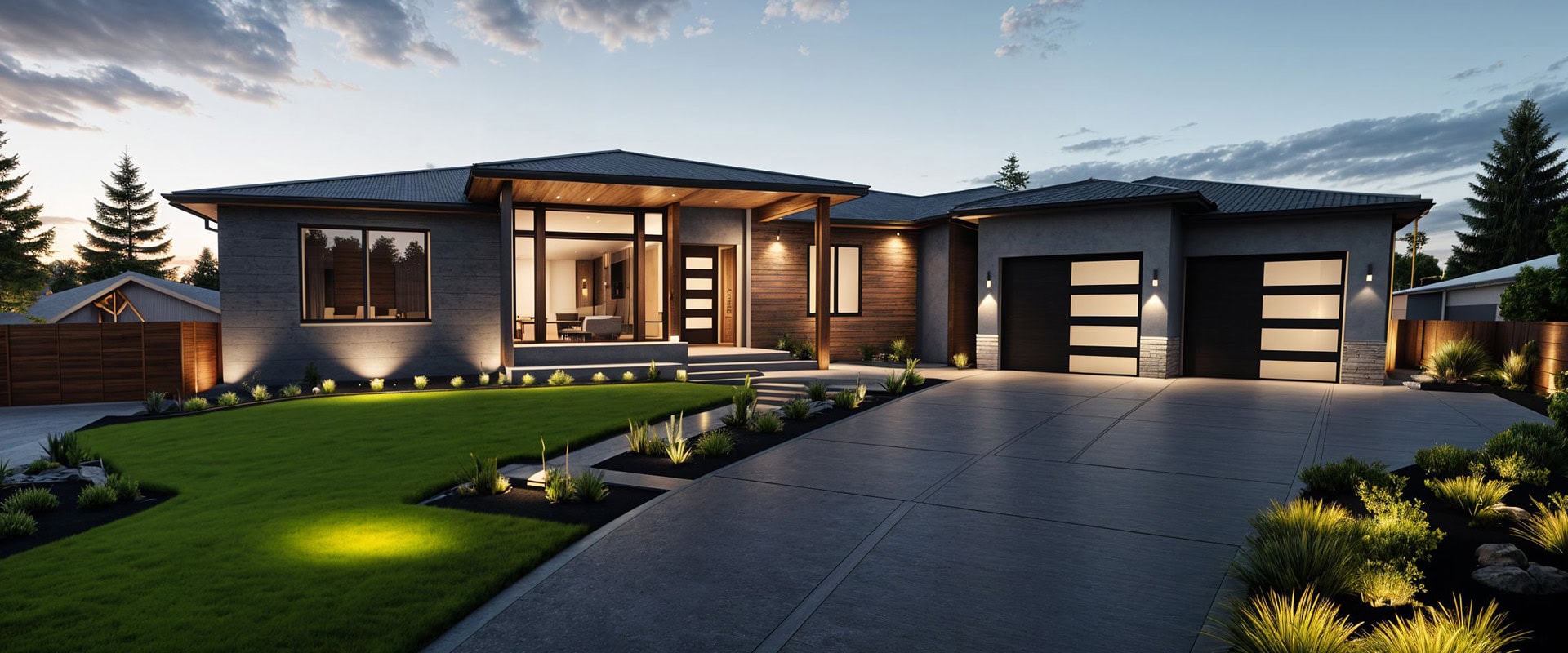
Introducing Our Stick Built Homes – The Value Series
We are excited to introduce our own line of stick-built homes, designed to help make your dream home even more affordable.
Our Value Series includes beautiful three-bedroom, two-bath floor plans that feature spacious open-concept living areas, perfect for both relaxing and entertaining. These homes are also equipped with Energy Smart features to ensure that your home remains energy-efficient for the years to come, saving money on utility bills for added affordability!
By offering these new stick-built homes, we aim to provide a smart, lasting option for homebuyers seeking value, comfort, and flexibility. With a variety of floor plan options and the ability to personalize many aspects of your home, you can create a space that truly fits your needs. Plus, the addition of energy-saving technologies ensures that you’ll not only save on construction costs but on long-term living expenses as well.
Explore our stick-built home floor plans and make your dream home a reality!
What is a Stick-Built vs. Manufactured Home?
The most common question we hear is — what’s the difference between stick-built vs. manufactured homes?
These are two of the most common home-building options.
Luckily, the answer to this question is quite straightforward: Manufactured homes are built away from the final site and transported there, where they’re then placed accordingly, whereas stick-built homes are made the more traditional way, where materials and labor are brought to the final housing site and assembled there.
Intuitively, stick-built homes tend to have more flexibility, while manufactured homes tend to be cheaper upfront. Stick-built homes also usually use more traditional materials like wood and steel, which provide some advantages we’ll look at further down.
We actually looked at ways to convert a previously-manufactured home onto a stick-built foundation in a recent blog post, and do recommend that if you’re considering your options.
Top Advantages of Stick-Built Homes
Both types of homes have some advantages over the other. In many ways, it depends on your situation — some people will find that the qualities of one or the other best suits them.
That said, in our experience, stick-built homes can often have more pros than cons. Let’s check them out:
Durability and Longevity (and Other Associated Costs)
We’ll start by saying that both stick-built and manufactured homes do generally have great durability.
Where they differ, however, is that manufactured homes tend to require more maintenance and upkeep as they age in comparison to stick-built homes. This also means they often don’t last as long.
On the flip side, stick-built homes usually last longer and, as they age, usually require less work to maintain versus a comparable manufactured home.
This is due to a few factors — for one, having a standard foundation from the get-go helps insulate and protect the home. At the same time, often stick-built homes will use higher-quality materials in their construction, offering greater structural integrity that helps the house last longer with less work.
This also has further positive effects on other aspects of your home.
Namely, a home built to last with high-quality materials will not only not take as much of your energy to keep up as it ages, but will subsequently cost less to do so, too.
We always try to emphasize that manufactured homes can be an ideal option for some because they can be less expensive upfront, but extra cost is often paid down the line as they need more frequent repairs which leads to greater expense. This is especially true of older models.
Meanwhile, stick-built homes tend to have a higher initial cost to build but incur fewer expenses in the long run.
Increased Customization and Flexibility — For Design and Location
As would be expected, you have far more options for customizing your home if it’s stick-built instead of manufactured off-site.
Because manufactured homes are generally built from pre-existing templates, you almost always have limited options for personalizing it. The layouts and designs are mostly pre-set.
Stick-built homes, on the other hand, are far more flexible, with the homeowner able to choose much more of the layout, materials, and finishes.
This increased flexibility isn’t just about design either. Stick-built homes also are potentially much easier to work with regarding different zoning restrictions. Oftentimes, manufactured homes can face greater restrictions, limiting their placement, whereas stick-built houses are easier to place on more diverse lands and consequently comply more easily with local zoning.
On that note, if you want to learn more about buying land in the Pacific Northwest – check out our guide!
Better Financing Options and Resale Value
As we mentioned, manufactured homes often — but not always! — have stick-built homes beat as far as initial cost. Yet, at the same time, their financing options are usually more limited, which can make it a bit trickier than their initial lower expense would suggest.
Compared to stick-built homes, you’ll see the latter have easier, more flexible financing options.
While manufactured homes often require personal property loans to finance — and may depreciate over time — stick-built houses generally qualify for traditional mortgages. At the same time, they tend to appreciate over time, giving you a place that you can fall back on financially in a way that you can’t usually with manufactured homes. It’s also worth mentioning that the perceived value of stick-built homes plays into this appreciation that, unfortunately, works — sometimes unfairly — against manufactured homes.
Superior Energy Efficiency and Insulation
This could be thought of similarly to how, as mentioned above, stick-built homes have fewer maintenance costs as they age compared to manufactured homes. Not only that, but they have lower energy costs relative to comparable manufactured homes.
Stick-built houses tend to have access to more modern insulation techniques and more energy-efficient materials and infrastructure. The subsequent reduced cost of utility bills over time can really add up to significant savings.
Unfortunately, often — but not always! — manufactured houses don’t have that same insulation and energy efficiency. Luckily this is more pronounced in older models and newer ones are improving to that end, but it’s still an aspect where stick-built homes often have the upper hand here.
The Bottom Line
In the end, there are some situations where a manufactured home will suit a prospective homeowner better than a stick-built and vice versa.
For many, we find that stick-built homes provide the most advantages. Particularly if you’re planning for the long-term, these options usually balance quality and cost. The longer you plan to live in one, the better an option it is over a manufactured home.
And depending on where you are — for example, in the PNW Reality Homes offers our custom Value Series — there are likely options for more affordable homes than you think!