

All climates come with their own set of benefits and challenges for homes. In relatively cold areas like the Pacific Northwest, the climate demands for a home that holds heat, limits drafts, and manages moisture well.
With different housing options, potential homeowners will often compare different options like manufactured homes, modular homes, prefab and pre-built homes, as well as traditional stick-built homes.
Today, we’re going to look at how these different options fare in colder, wet climates, plus where the Reality Homes Value Series fits into cold-weather living.
Different types of homes at a glance
First, let’s establish the most common housing options:
Stick-built homes
Stick-built is the most traditional building method, where materials are brought to the home’s final location and built entirely on-site. Historically — and this is still often the case — stick-built homes have been associated with the best energy performance, especially in the long-run. At the same time, there’s a bit more potential for variance than with off-site pre-built homes, which is why it’s so important for stick-built homes to be made by experienced builders you can trust.
Manufactured homes
These are built away from the final lot in a controlled factory. Because of the centralized building and assembly, manufactured homes have relatively consistent construction and energy standards. On the flip side, they often tend to break down faster over time, needing more repairs and energy attention.
Modular homes
Modular homes are kind of a “cousin” of manufactured and on-site stick-built homes, lying somewhere in between the two. They’re built in modular sections off-site, but then assembled on a permanent foundation on location. They tend to have similar energy standards to manufactured homes.
Prefab and pre-built homes
This can overlap with the above two categories to an extent — prefab and pre-built is essentially a broad category of off-site construction. You’ll find predictable quality and build consistency here, even if the associated longevity (and subsequent energy efficiency) isn’t always a major strength.
The most important considerations for cold weather
When it comes to cold, damp weather, these are the factors that matter most for your home:
Insulation quality and coverage
Of course, good insulation — and a home design that is in itself insulating and efficient — is critical to keeping your house from requiring a lot of energy to keep it warm. This is true in all but the most mild climates: If you live somewhere that’s either cold or hot, you want to prioritize a well-designed home with good insulating properties, or else you’ll find yourself using lots of energy to keep it comfortable.
Air sealing and draft control
As you know if you’ve been in an old, homemade log cabin, or a 100-plus-year-old home with disparate parts, drafts and leaking air make things cold, fast. When it comes to building a new home, it’s critical to make sure the interior is sealed off so no drafts are coming in.
Heating efficiency
The more efficient the heating system, the quicker your home can be heated and the less it will cost to maintain a comfortable temperature.
Moisture and ventilation management
This is especially important somewhere like the Pacific Northwest, both in the areas west of the Cascades where it’s especially soggy, and also in much of central and eastern Washington and Oregon, where you receive less rain but have colder temperatures and more snow. When moisture collects and doesn’t ventilate quickly, the dampness can lead to heating problems plus cause damage that not only impacts energy usage, but also can lead to a whole other host of problems down the line.
Winter energy costs
All together, these factors have a huge effect on the cost of heating your home during the coldest, wettest months of the year.
Manufactured vs stick-built homes
Now that we’ve established the different home types and cold weather climate factors to consider, how do they relate to manufactured and other pre-built homes versus stick-built ones?
As we’ve alluded to above, homes built either completely or partially in an off-site factory allow for a certain level of consistency that’s appealing to some. And, it’s reassuring to know that these pre-built homes are often more reliable than the ones we were seeing in decades past.
At the same time, a stick-built home made by an experienced, reliable builder will usually have the better energy performance, all else held constant. A quality stick-built home will almost always have a higher “ceiling” of improved energy efficiency than a comparable pre-built one, which is especially true in the long run as well-made stick-built homes tend to have greater longevity which, among other advantages, holds heat better.
Essentially, with many modern factory-built homes, you can usually trust that you’re getting a pretty good “floor” for your home’s energy efficiency and performance in cold weather, but a stick-built home built by experienced builders with quality materials will have higher energy performance for longer.
Cold-climate living with the Reality Homes Value Series, plus cost and long-term value
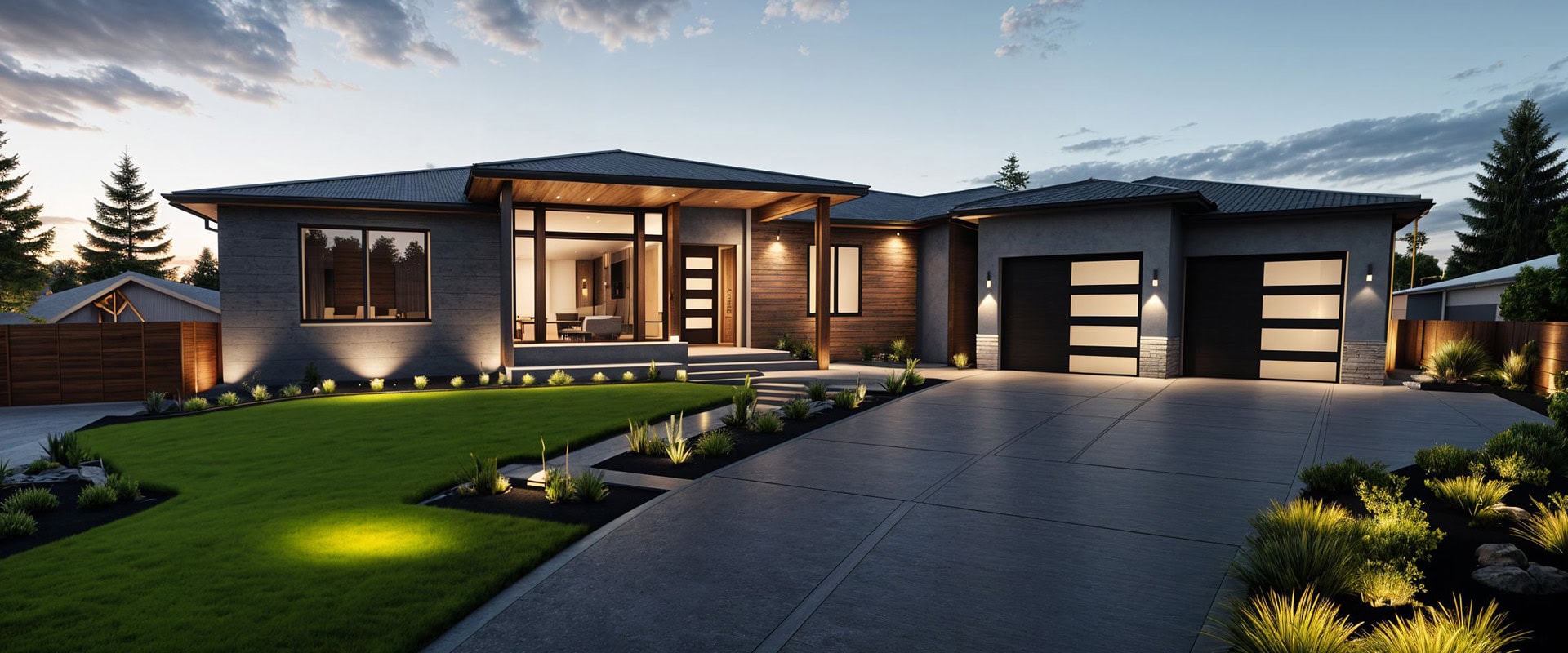
At Reality Homes, we specialize in on-site stick-built housing; our Value Series is our line designed specifically with efficiency and practicality in mind.
The homes offered in this line are focused on efficiency on multiple levels: efficiency in the initial build that reduces upfront cost, and build quality itself providing high-quality energy performance, improving your home’s energy efficiency once you move in, too. The Value Series homes have excellent heat retention and air sealing, so you won’t have to deal with draftiness or excessive wintertime heating costs.
Along with this precision, our floor plans are focused on efficient, centralized layouts that capture heat effectively compared to other floor plans that lose heat faster from increased exterior surface area.
Bottom line
Whether a stick-built or manufactured home is right for you depends on a handful of variables, cold-weather performance is just one — but a big one somewhere like Washington, Oregon, or Idaho.
It’s important to consider all the factors that can affect a home’s wintertime comfort and cost, which means making sure you’re educated on all your housing options and what goes into their performance. Focusing on efficiency, insulation, and overall construction can help ensure you’re getting the best home for you. To that end, our Value Series is specifically focused on building homes that are affordable without sacrificing comfort and energy efficiency in cold climates.