

Spring is commonly a strategic time to begin building your home. Planning early on in the season and before spring comes can help set up smoother timelines, with an easier, less rushed process and better outcomes. Let this act as a guide to help you prepare for springtime building before you break ground.
But first:
Why is spring a smart time to start building your home?
Especially in a place like the Pacific Northwest where there’s a stark contrast between the dark, damp winter and the months that follow, spring brings with it a prime canvas for building.
This starts not just with improving weather conditions, but with pretty drastically longer daylight hours that allow more construction to happen each day.
Subsequently, you’ll find easier site access for excavation and utility setup, plus this sets you on the timeline to align with framing in the summer and being move-in ready by the fall.
At the same time, familiarize yourself with how this time of year can impact demand for builders — with how well spring aligns for building, demand can increase this time of year, so it’s important to prepare early. To that end, a note:
Defining your vision before getting in touch with a home builder
Let’s back up a bit. Before building — before even contacting a home builder or getting into the weeds in any way — it’s important to understand yourself what you want in your home. Before your builder can execute your vision, they have to know your vision, and the first step for your builder knowing your vision is for you to know your vision.
Here are some aspects to clarify for your home:
- What is a realistic budget range?
- What are must-have features versus nice-to-have upgrades?
- How do you picture the layout?
- What is your preferred style of home?
- Can you just use a production home builder, or will you need a custom home builder for more personalization?
Now, to your checklist for spring building:
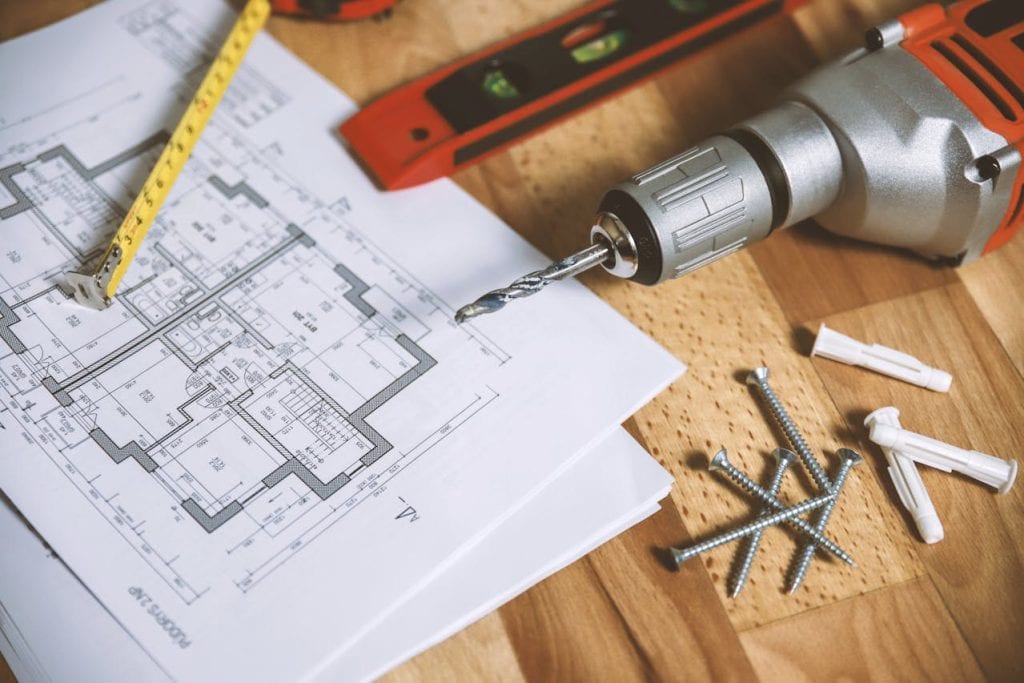
What type of home building approach best fits your goals?
Some are able to get most of what they want in a non-custom home, but for many, a custom home design is necessary for their goals and quality of life.
Consider how modified floor plan options may work for you, as well as the possibilities for pre-designed plans that still offer flexibility for personalization. Different builders will specialize in different approaches.
For example, at Reality Homes, we offer structured customization while looking to avoid overwhelming complexity.
Is your land ready and site for construction?
We’ve discussed land usage and purchasing in previous blogs, but this is absolutely critical to a smooth homebuilding process.
You’ll need to:
- Confirming zoning and building regulations, including setbacks and easements
- Check for HOA restrictions, if applicable
- Evaluate access viability for construction equipment
Of course, this involves site-specific considerations too.
What to consider for site preparation
Beyond the land-use, zoning, and other regulations, consider how the site will affect other details of the build. To that end, you’ll need to consider:
- Soil testing and geotechnical review
- Utility access for water, power, sewer, septic, etc.
- Any grading needs, including driveway placement
- Planning your drainage for any spring rainfall
Choosing the right home builder
Once you’ve defined your own vision and goals for your home, it sets you up to best understand what you need out of a builder, too.
To find the right match, it starts with researching potential builders, their reputations, and their experience specifically in your local area.
When getting in contact, make note of their communication process — you want a builder who communicates well from the start! — and compare the different timelines you may be given. Also, make note of any outliers in timeline or process; if someone offers you something that sounds too good to be true, it probably is. Or at least, there will always be a sacrifice or catch somewhere else.
It’s also important to understand what’s included in standard features from any builder you’re interviewing. As part of this, review each builder’s warranty coverage and build guarantees. (Here’s our warranty, as an example to help contextualize what to expect.)
Questions to ask a custom home builder
Here are some good starting points and bases to cover when you’re scoping out potential builders:
- What is your typical build timeline — from permit to completion? This should be established from every builder you talk to. We also recommend asking them about any sort of build time guarantee; some like Reality Homes offer build time guarantees and rebates should the timeline go over, but that’s not necessarily true of all builders.
- How do you handle cost changes or material delays? Things can change during building that impact cost and timeline, but it’s important to establish liabilities and expectations in those cases.
- What energy efficiency standards do you include? Not only are these becoming increasingly required — or at least incentivized — but they’re also just a mark of better quality, and help save the homeowner money in the long run.
- Can we walk through past completed homes? You’re hiring someone to build a home; that’s a big deal! We encourage you to not be shy about having potential builders “show their work” in the same way you’d ask someone else to show their relevant portfolio for a job.
Budget planning and cost drivers for spring 2026
This starts with securing pre-approval before finalizing plans.
When budgeting, plan for permit and impact fees, plus be sure to account for land development costs. And of course make sure you’re budgeting with contingency in mind — while it’s totally possible for the home-building process to go through without any curveballs, it’s unwise to budget with that expectation.
It’s also important to understand cost drivers that could affect your budget. Keep in mind:
- Any trends in material prices
- Labor availability and anything that could impact that
- Energy-efficiency upgrades and upfront cost versus long-term savings
- Build complexity and how that impacts final pricing
Permits, plans, and paperwork
This is a critical “foundation” for the home-building process. As part of this, you’ll need to confirm:
- Realistic expectations for the local permitting timeline
- Architectural review requirements
- Necessary engineering approvals
One thing that will help with this component is working with a home builder who can help manage permitting support.
Energy efficiency and seasonal performance
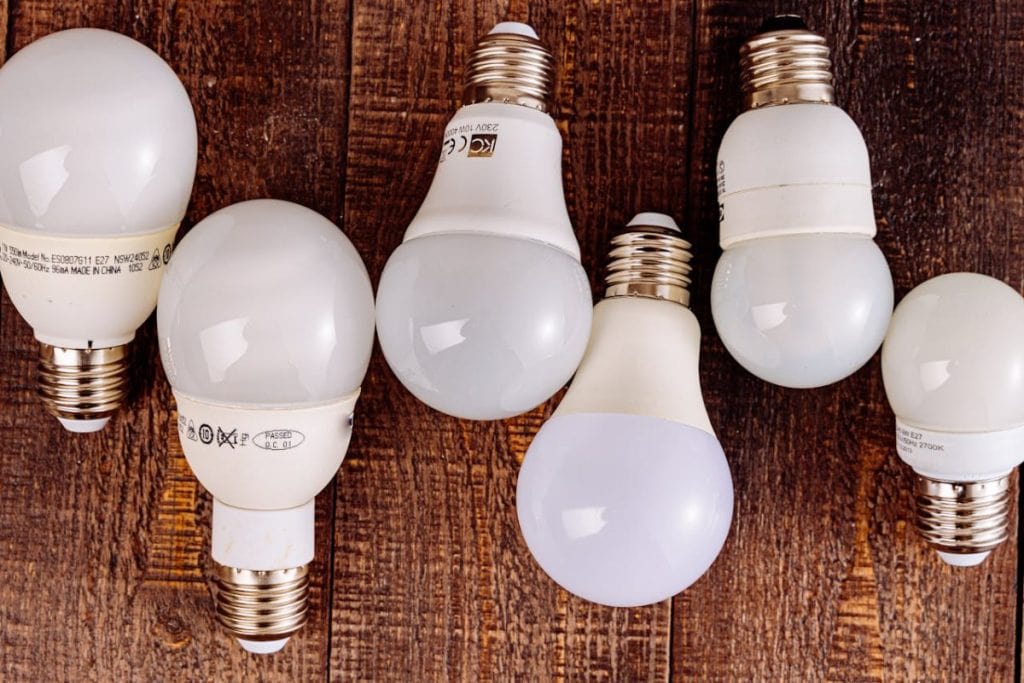
Here, you’ll ideally be planning not just with upfront cost in mind, but for long-term comfort and savings.
Consider how insulation, HVAC, window, and other materials will impact your home’s efficiency and comfort. If you’re in a wet climate like the western half of the Pacific Northwest, be aware of moisture management too. Keep in mind that overall build quality has a greater impact on this than simple surface finishes.
Pre-construction interior planning
This comes back to defining your vision before construction begins. As part of this, consider:
- Kitchen and bath layout decisions
- Electrical planning, including outlet placement
- Storage considerations
- Future proofing spaces for how your and/or your family’s needs could evolve over time
What to complete before breaking ground
On that note, here’s a list of things you should definitely have established before breaking ground on construction. This includes:
- Clear expectations on communication between you and your home builder
- Clear construction timeline
- Construction financing
- Insurance for the home-building process
- Approval of a finalized floor plan
Spring timeline snapshot and final thoughts
Put together, this is generally a good timeline blueprint when it comes to your pre-production and building timeline.
- March to April: Planning and permitting
- May to June: Site prep and foundation
- Summer: Framing and exterior work
- Fall: Interior finishes and preparation for move-in
At the end of the day, early preparation and establishing expectations can massively reduce stress during home building by making the whole process run smoother. Not only that, but clear planning can improve your build timeline as well as its alignment with your budget.
At the same time, expert guidance can help simplify complex decisions that you’ll have to make along the way — that’s why we made this checklist as a starting point! Don’t be afraid to refer back to it as a practical roadmap before starting on the build.