

Housing affordability is a major problem right now whether you look regionally, nationally, and even, in many cases, globally.
While the magnitude of this is unfortunately systemic, there are certainly options for prospective homeowners on an individual scale that can help alleviate this expense if you’re willing to consider all your options (and potentially think outside the box).
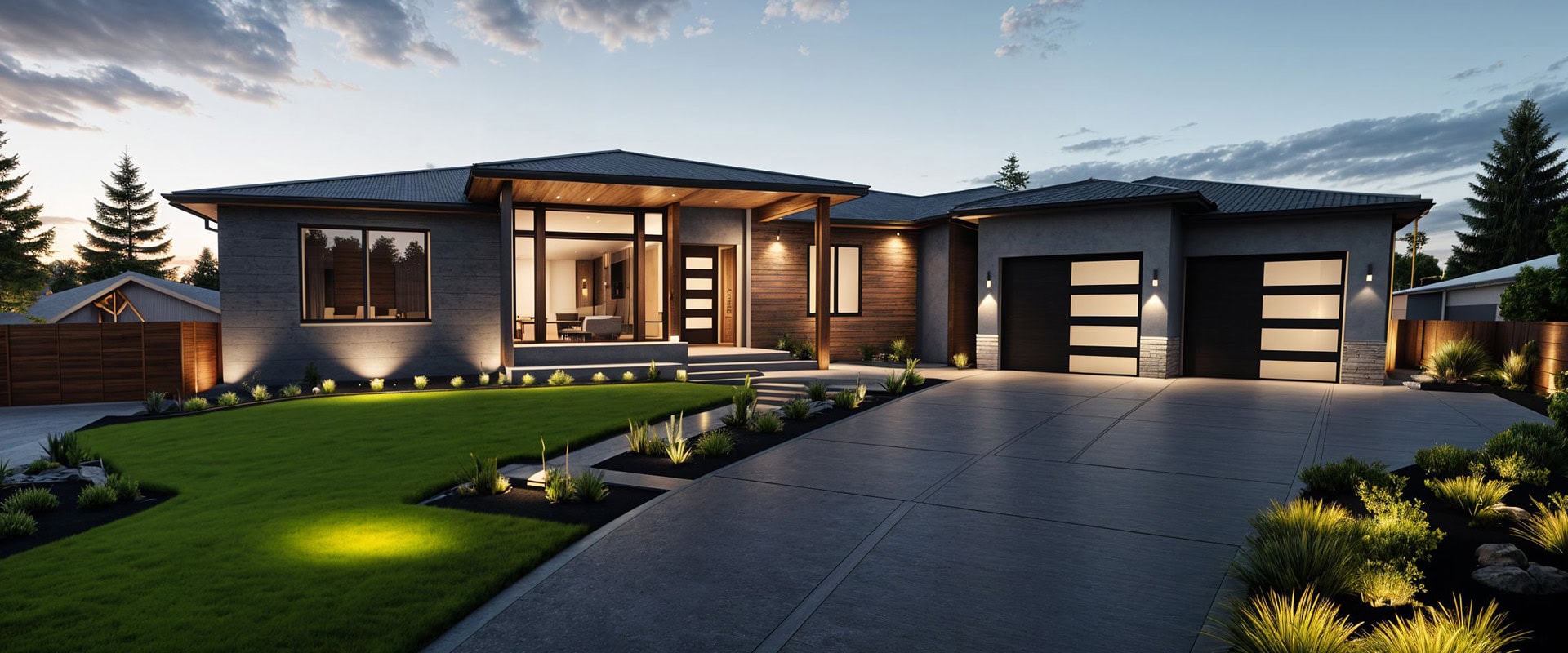
There are options for stick-built — for example, a Reality Homes energy efficient three bed and bath open floor plan — but also modular, manufactured homes, tiny homes, or smaller-scale multi-family housing like duplexes, triplexes, or quads. Understanding all the options can help make homeownership more attainable — all while giving you a home that provides a high quality of life in a space just for you!
Understanding different types of affordable home options
First off: What influences contribute to a home being “affordable”?
Of course, “affordable” is different for everyone. (If you’re a gajillionaire, a $3 million home is affordable!) But, all else held constant, there are key factors we can identify that contribute to the price of a home.
Naturally, for homes that are already built, when you have a lot of people vying for not a lot of housing, of course, prices go up — but what about when building a house from scratch?
In those cases, these are some main factors influencing cost:
- Material costs
- Labor
- Land prices
- Energy efficiency for long-term costs
In this piece, we’re going to be looking at four types of homes that can be affordable housing options:
- Stick-built
- Modular
- Manufactured
- Tiny
Stick-built homes are the most “conventional” of these, but at $150 to $400 per square foot and higher labor and material costs, they’re also the most expensive. On the flip side, they also have the highest long-term value and the most flexible financing options available, plus are the most customizable. This is true both at the time of building and for any future expansions or renovations.
Modular homes are less expensive at $100 to $200 per square foot. They have a higher upfront cost but lower labor costs due to the building process being simpler. These generally have financing options that are comparable to a traditional stick-built house, and, while they aren’t quite as customizable, could be considered “semi-customizable.”
Next is manufactured homes AKA mobile homes. At $50 to $100 per square foot and with lower material and labor costs, these are the least expensive of these options. This does, however, limit your customization options, and unfortunately, these don’t tend to hold their value like a stick-built home. That said, these still can provide a great space to make your home yours, and shouldn’t be overlooked.
Lastly, tiny homes have the lowest overall cost but, at $200-$500, they’re actually higher per square foot. This is because their compact spacing requires more material and more labor per square unit. Permitting and financing here can also be a bit trickier than for a stick-built or modular home — often requiring personal loans instead of a traditional mortgage. In exchange, though, these come with the advantages of being super customizable and, due to their space efficiency, being in some ways able to capture your vision for a dream home albeit on a smaller, compressed scale.
Let’s take a look:
What are Stick-Built Homes?
Stick-built homes follow the traditional process of building a home. This process consists of the following steps:
- Planning and design
- Foundation and framing
- Exterior and roofing
- Interior construction
- Final inspection and move-in!
What’s entailed in these steps does mean that a stick-built home has higher costs compared to many other prefabricated options.
That’s due to a few different reasons; for one, it’s a more labor-intensive process with some of the steps being more detailed than the corresponding modular or manufactured home-building steps. At the same time, there will often be higher quality materials in certain parts and custom-selected items for details like wood, concrete, and insulation, meaning you have a higher materials cost too. Lastly, often stick-built houses include a more comprehensive site preparation including land clearing, grading, and extensive foundation work.
The positive tradeoff here is that you get by far the most flexibility in how to customize your home and space — and it will have the highest resale value should you decide down the line that it’s not your forever home.
This flexibility also extends not just to the initial construction, but over time: Whereas with other home options you get a “once it’s built, it’s built” sort of scenario, stick-built homes can be expanded upon and renovated over time. If you love your house but decide changing it in some way would make it your true dream home — you can do that with a stick-built!
All this adds up to mean stick-built homes, while more expensive than other options, can often be the best long-term choice if possible.
What are Manufactured Homes?
Manufactured homes are also what many know colloquially as mobile homes. They’re built off-site in a factory, then transported to the desired home location.
These homes have HUD regulations and, while they’re typically single-story, have decent variation within that — you’ll find manufactured homes that are single-wide, but also double- or even triple-wide.
Some of the considerations for a manufactured home include the land — do you own it or are you leasing? — as well as being informed about the long-term value of your house. While stick-built homes tend to appreciate, that’s not a given with manufactured homes and you can actually see them depreciate in value.
On the flip side, manufactured homes can be a great option for affordability, with a quick setup and usually a good choice of financing options.
What are Modular Homes?
Modular homes combine elements of both stick-built and manufactured homes.
To begin, they consist of different sections — hence “modular” — which are built at a factory like a manufactured home, but these sections are then transferred to the housing site and assembled into the complete house there, like a stick-built home. It’s a little of both.
These can be a sweet spot between stick-built and manufactured homes for some, depending on your priorities. They come with a faster build time than a stick-built and subsequently lower associated costs. Modern modular homes also can be quite energy efficient, saving on utilities costs in the long run.
On the other side, while they’re less customizable usually than a stick-built home, they still do tend to have more customization options than a comparable manufactured home, allowing you to put your own touches on aspects like interior finishes, energy upgrades, and exterior materials and looks.
Popular modular home styles include options like:
- Ranch: Single-story, simple layout, ideal if you like more open spaces in your home
- Two-story: Traditional two-story home with multiple levels, ideal for larger families
- Cape Cod: Associated with its namesake region and New England generally, Cape Cods have a classic pitched roof, dormer windows, and often cozy interiors
- Contemporary: Designed with sleekness, large windows for light, and open floor plans
- Tiny: Just like a stick-built tiny home — compact, efficient spaces — but with a modular construction
What are Tiny Homes?
On that note, tiny homes have become more popular of late as people have looked towards creative housing solutions. And, as we just alluded to, they can be constructed as stick-built, modular, or manufactured.
Tiny homes are exactly what they sound like, houses that are smaller than normal, giving people a more affordable housing option. The benefits continue beyond just “less expensive,” however — putting a premium on efficient use of space, tiny homes come with less maintenance with their smaller scale and also tend to be quite energy efficient since they’re more concentrated in a smaller area instead of sprawling out. Often, they can also include a lot of design flexibility, with budget and other resources not being stretched as thin.
One thing to keep in mind if you’re thinking about a tiny home, however, is potential legal considerations and zoning restrictions, which can be trickier than other homes.
Other Affordable Housing Options & Choosing the Right One for You
While these four are some of the most common, there are other options too. This includes multi-family homes like du- and triplexes, but also:
- Prefabricated homes: Similar to modular, efficient, customizable
- ADUs (accessory dwelling units): Blurred line between these and tiny homes, cost-effective and able to expand living space within a plot
- Shipping container homes: Budget-friendly, hyper-sustainable, and actually can be customized in really fun, creative ways
- Kit homes: DIY-friendly and affordable
When it comes to these options, the right choice is different for everyone.
Different factors determining that include budget, location, environment, and zoning, customization needs, and long-term plans including energy efficiency and the importance of appreciation.
If you are leaning towards a stick-built home — or even if you like the idea but feel it might be out of your budget — Reality Homes specializes in stick-built homes including our Value Series to make homeownership affordable for as many as possible!